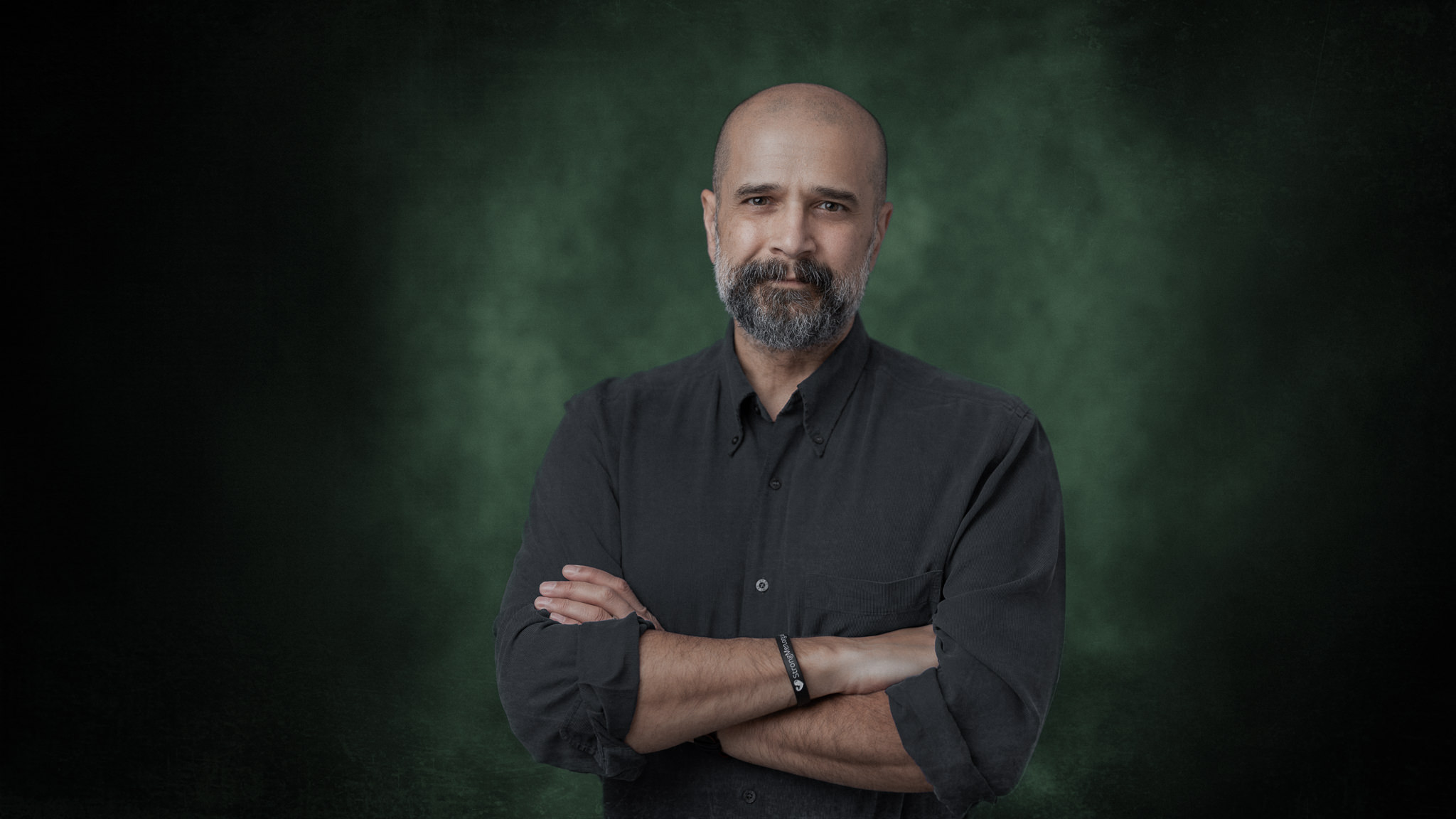
Do you Dread being on Camera?
Here's my practical "how to be more confident when being photographed or showing up on video for your brand" guide.
Let’s face it: not everyone loves being in front of the camera. In fact, many people actively dislike having their photos taken or being recorded on video. If you’re a professional who dreads the idea of a branding shoot, headshot session or video creation, you’re not alone.
Brand Visibility
However, you must remember that high-quality visual content is essential to building your brand and presence. These images and videos help tell your story and connect with your audience, whether for LinkedIn, your website, or promotional materials.
But what if the thought of stepping in front of a camera fills you with dread?
Don’t worry—I’ve written these tips to help you feel more confident and take control of your photo or video sessions—even before you book a photographer or content creator or plan to go the DIY route.
Before diving into tips. Here are a few common reasons:
- Unrealistic Expectations: We’re often our own harshest critics. You might compare yourself to heavily edited images or polished videos of others online.
- Nerves and Discomfort: Feeling self-conscious can affect your appearance in photos or videos.
- Your brain is lying to you: – Learn more in my related article, “Why do I hate seeing myself in photos”, where I go into greater depth about several of the causes.
Be it a lack of confidence or a cringe factor, recognising these challenges is the first step toward overcoming them. Now, let’s move on to the next step with actionable tips to make your next content creation session a more positive experience! 😊
Just Act Natural!
Easier said than done, right?
Somehow, those three innocent words instantly turn you into a malfunctioning robot trying to read the news at ten! Suddenly, you’re hyper-aware of everything you say — your smile freezes like your cheesiest iPhone grin, and your brain and mouth are entirely out of sync.
Being told to “act natural” is often the least helpful advice when you’re feeling self-conscious.
It’s time to reframe the mindset.
Instead of looking natural, the trick is to feel comfortable. A good photographer or videographer will provide guidance, conversation, and gentle direction to help you get there, but there are things you can do yourself, too.

How to Prepare Yourself Mentally and Physically for Showing Up on Camera
- Shift Your Mindset: Instead of focusing on flaws, consider what your “image” represents—your professional achievements, unique personality, and brand. Visualise the positive impact these images will have on your brand. Focus on why you will benefit. More importantly, why will your audience benefit too?
- Practice Self-Compassion. Remember, nobody else is analysing your photos or videos as critically as you are. Give yourself permission to relax and enjoy the process. Trust me when I say they’re more worried about themselves than judging you.
- Embrace imperfection! Connected to the previous points. Remember, people connect to people, not AI or robots! It’s OK to make mistakes and show your audience you’re authentic and human, as that’s who they will connect with.
- Get Rested and Hydrated: It’s amazing what a good night’s sleep and staying hydrated can do for your skin and energy levels. Avoid alcohol the night before, as it can make you feel and look tired.
- Wear Comfortable Clothing: Choose outfits that make you feel confident and reflect your professional image. Avoid experimenting with brand-new styles that might make you feel self-conscious.
- Warm Up Your Voice (for Video): If you’re speaking on camera, do some vocal warm-ups beforehand. This helps you sound more confident and relaxed.
How to Practice Before the day of the shoot - Start Small!
- Test Your Poses: Use a mirror to try different poses and facial expressions. Experiment with angles and head tilts to see what feels most comfortable. Use a space you’re familiar with.
- Record Yourself: Use your phone’s camera to take selfies or record short 20-30-second videos daily. I know this sounds scary, but nobody has to see them. It’s only for you, and it helps you get used to seeing yourself on camera and understand how you’d like to appear. The more you do this, the more relaxed you will become.
- Let’s pretend! When you practice video, imagine you are just chatting with your best friend; it will help you relax. And remember from the previous point—nobody else needs to watch your practice runs!
- Practice with others: For video, find a group of like-minded peers, good friends or even family members with whom you can test ideas without fear of judgment (professional friends are in the same boat!).
Extra tip: have your camera on a stand (at eye level and a 90* horizontal angle) and have your trusted friend sit behind the camera as level to the camera as possible (but where you can still see their eyes). Then prompt them to ask you questions about your “subject”, and you chat with them – You will feel more comfortable and even forget you’re being filmed! I would add it’s still important to practice looking into the lens to create more direct eye contact with the video viewer, but this method will help you get more comfortable quicker than practising on your own.
- Research Photo and Video Styles: Look at headshots, branding photos and videos of professionals you admire. What do you like about them? Use these as inspiration for your session.
- Research your photographer’s case studies and testimonials: Do their other clients write about how they were made to feel during their photoshoot sessions? Do any resonate with you? Imagine yourself in their shoes.
- Practice again: The more you practice, the easier it will become to be confident in front of the camera!
Tips for During a Professional Photography or video Session
- Relax Your Body: Tight shoulders, clenched hands, or stiff posture can make you look tense. Take a few deep breaths before the shoot and consciously relax your muscles. Do some warm-up exercises. I’m not telling you to do a full-on yoga session, but shaking out the body and moving about gets the blood flowing and releases tension.
- Breathe: You kind of need to do this to live! But oddly, I see this a lot, where people hold their breath when being photographed! I’m not telling you to go out full on Wim Hoff, but breathwork techniques will really make a difference in how comfortable and confident you feel.
- Use Positive Body Language: Stand tall and smile. Open and confident body language translates well on camera.
- Focus on Your Eyes: Your eyes convey emotion and energy. Think of something or someone that makes you happy to bring an instinctive sparkle to your expression.
- Communicate with your Photographer: Don’t be afraid to share your concerns or preferences. A good photographer will coach you through the session and make adjustments to ensure your comfort.
- Mind Your Speaking Pace (for Video): Speak normally and clearly, and don’t be afraid to pause if you lose your train of thought. Pauses can add emphasis and make your delivery more engaging. Try not to “listen” to what you say; just speak! I know this sounds strange, but if you try too hard, you will overthink your words and lose your natural flow.
- Bring a Friend: If allowed, having a supportive friend on set can ease nerves and make the experience feel less formal.
I get it! Some of these are easier said than done, but remembering them will still help. Remember, an experienced professional should also coach you through your session.
Questions to Ask a Photographer if You’re Nervous
If you’re considering hiring a photographer but feel apprehensive, asking the right questions can help you feel more prepared:
- What is Your Experience with Nervous Clients?
- A photographer who has worked with self-conscious clients will have strategies to help you feel at ease. Check their testimonials and case studies for examples.
- A photographer who has worked with self-conscious clients will have strategies to help you feel at ease. Check their testimonials and case studies for examples.
- Can I Share Examples of What I Like?
- Most photographers welcome input to ensure the final images or video match your vision.
- Most photographers welcome input to ensure the final images or video match your vision.
- How Do You Handle Retouching?
- Knowing how much editing will be done can help manage your expectations.
- Knowing how much editing will be done can help manage your expectations.
- What Should I Wear?
- Photographers often have great advice on wardrobe choices that work well on camera.
- Photographers often have great advice on wardrobe choices that work well on camera.
- Can I See Examples of Your Work?
- Reviewing their photography portfolio can give you a sense of their style and whether it aligns with your goals.
- Reviewing their photography portfolio can give you a sense of their style and whether it aligns with your goals.
- Do You Offer Guidance During the Session?
- Ask if they provide posing, speaking, or expression tips during the shoot or recording.
Overcome Common Concerns
- “I’m Not Photogenic”: Nobody is perfectly photogenic; it’s about feeling comfortable and having a photographer to highlight your best features.
- “I Don’t Know How to Pose or Speak on Camera”: Your photographer or videographer can help you pose and speak confidently. Trust their expertise, and remember the previous tips on mindset, preparation and practice.
- “I’m Afraid of Awkward Smiles or Mistakes”: Think of something genuinely funny or pleasant to create a more relaxed expression. For videos, remember that mistakes can often be edited out. There is no need to beat yourself up—have fun with it. How about a bloopers reel to see what I mean?
“To make mistakes is human; to stumble is commonplace; to be able to laugh at yourself is maturity.” – William Arthur Ward
Take Baby Steps
I’ve already mentioned it, but if the idea of an entire photo or video session feels overwhelming, start small:
- Try Casual Practice First: Practice taking photos or recording videos on your own or with friends or family to get used to being on camera.
- Book a Short Session: Consider booking a short session for a single project or idea. This may be less intimidating and less stressful. It’s a cost-effective way to test the water without committing to a more significant project with a larger budget.
Use your Photos and videos as a Tool, Not something to Judge yourself
Remember, your photos and videos aren’t just about you; they’re about how you connect with your potential clients, collaborators, and employers. Focus on the purpose of the photography or video rather than getting caught up in self-criticism and all the other factors that can prevent you from getting in front of the camera.
Share and Share again!
I discuss this in my article about why many hate being photographed (and the photographs!). Remember the Mere Exposure Effect? The more we see something, the more familiar and comfortable we become with it.
Apply the same psycology to your face!
The more you share photos and videos of yourself with others, the more you will see yourself. The more you see yourself, the more comfortable you will become, further reducing your fear of getting in front of the camera. I talk about this more in my article about why many hate their photographs [here]
What’s next?
If you hate getting in front of the camera either having your photo taken or being on video, it doesn’t mean you’re doomed to avoid being in front of the camera forever.
Using my tips and preparation, resetting your mindset to help you step outside your comfort zone is a step closer to having photos and video you feel proud to share.
Start small, practice often, and when you’re ready, find a photographer (Hopefully, that will be me!) who understands your concerns and can help you bring your vision to life.
Ready to give your business the image it deserves and get in front of the camera?
Click here to book your no-obligation phone consultation with me
Not ready for a call? Have more questions? Click here to get in touch via email